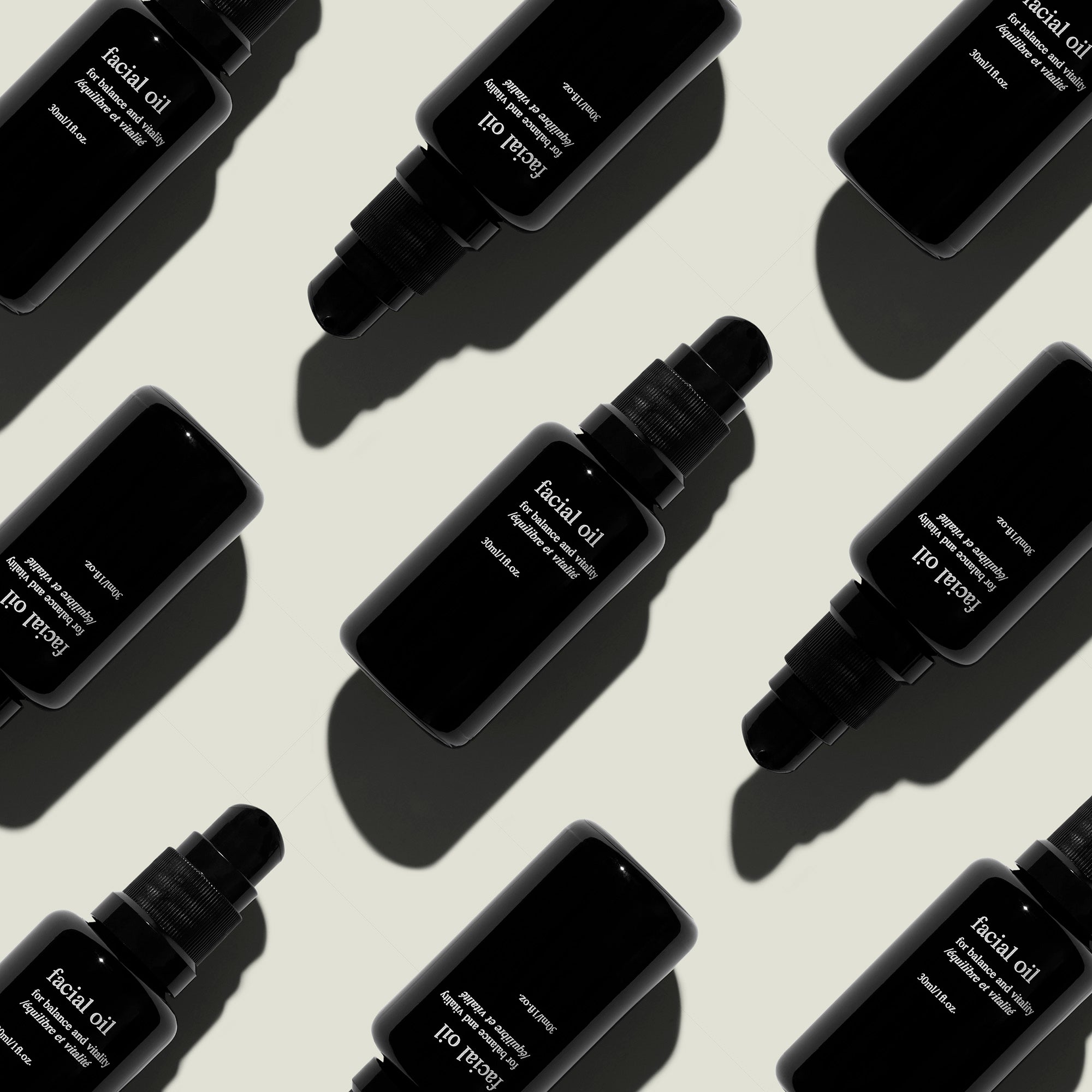

Dehydrated or Dry Skin?
Dry vs Dehydrated Skin: Causes, Differences & How to Restore Balance
Dry and dehydrated skin are two of the most common skin concerns and can affect all ages. While dryness is often worse in winter, for some people it is a lifelong condition linked to genetics and skin barrier function.
Understanding the difference between dry skin and dehydrated skin is essential, as they require different approaches to care.
What Is Dry Skin?
Dry skin, also known as xerosis, occurs when the skin lacks oil (lipids). Some people are genetically predisposed to dry skin, often referred to as allipoid skin.
As we age, levels of ceramides and stratum corneum lipids naturally decline. These lipids are essential for maintaining the skin’s protective barrier and preventing moisture loss. By our 40s, many people experience skin that is both dry and dehydrated.
What is Dehydrated Skin?
Dehydrated skin is caused by a lack of water, not oil. It occurs when the water content of the outer skin layer falls below healthy levels.
Oily skin can still be dehydrated, as sebum alone does not prevent water loss. When the skin barrier is weakened, moisture escapes through transepidermal water loss (TEWL), leading to tightness, dullness, and irritation.
Common Signs of Dry and Dehydrated Skin
-
Tight or uncomfortable feeling, especially after cleansing
-
Flaking or rough texture
-
Increased sensitivity or itching
-
Fine lines appearing more visible
-
Dull, lacklustre skin
Dry skin typically has very small or invisible pores, while dehydrated skin may still appear oily.
What Causes Dry and Dehydrated Skin?
Contributing factors include:
-
Ageing and hormonal changes
-
Cold weather and low humidity (winter xerosis)
-
Over-cleansing and hot water
-
Harsh ingredients such as Alcohol Denat
-
Over-exfoliation
-
Sun exposure without daily SPF
-
Smoking, excess alcohol, and poor dietary fats
All of these weaken the skin barrier and increase moisture loss.
Can Drinking Water Hydrate Skin?
Drinking water is essential for overall health, but it does not directly hydrate the skin. Skin hydration depends largely on barrier strength, circulation, and lymphatic flow. Regular movement and exercise help deliver nutrients and oxygen to the skin more effectively.
How to Care for Dry and Dehydrated Skin
The most effective approach focuses on:
-
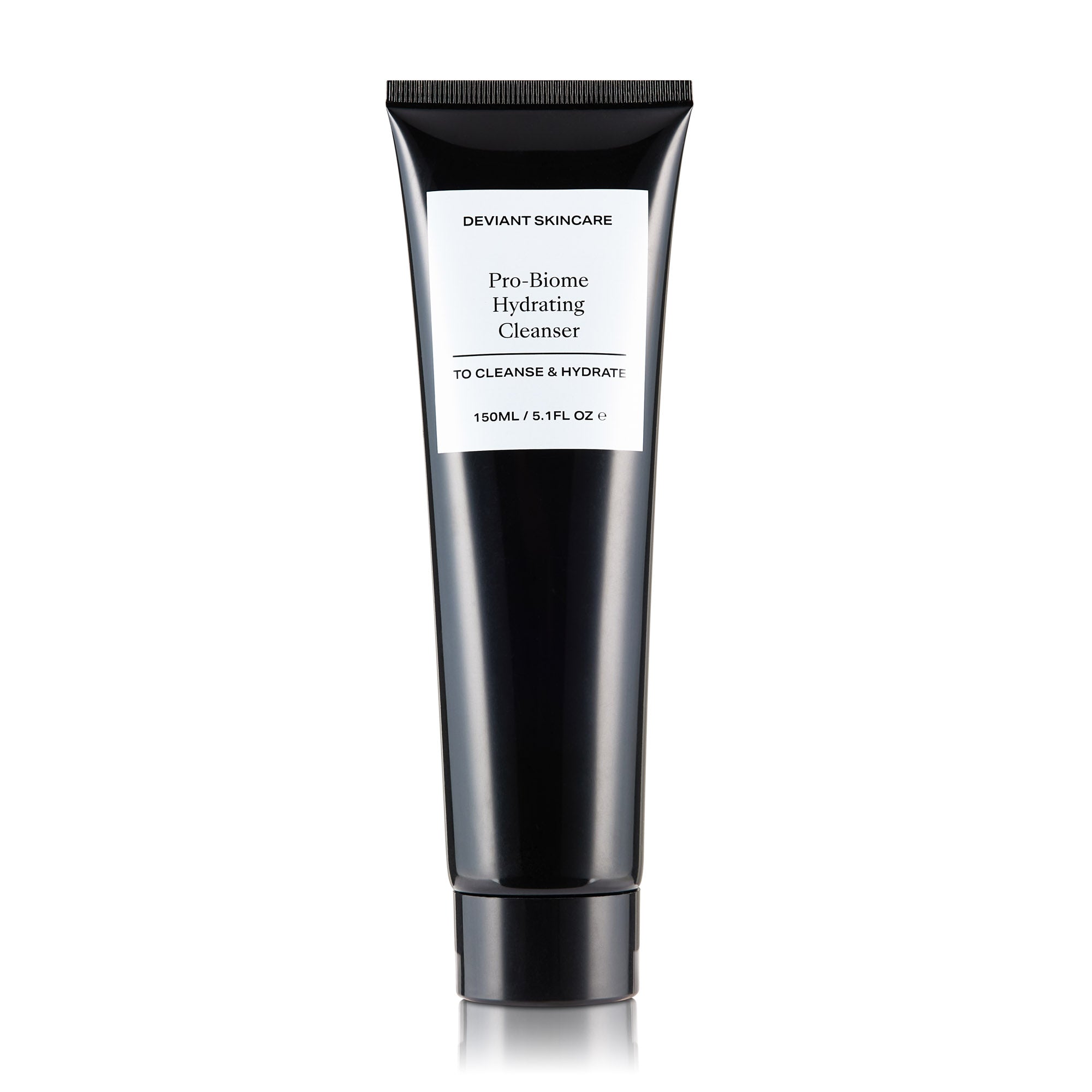
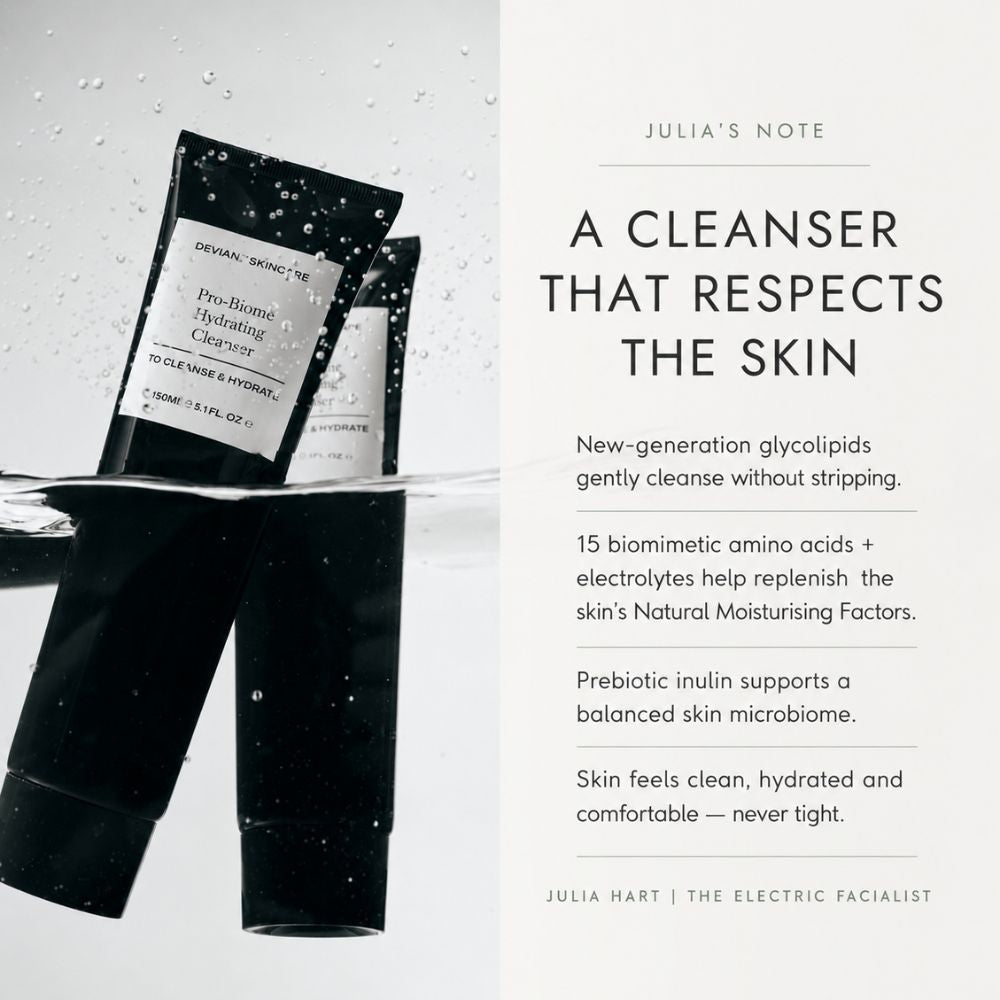
Gentle cleansing that does not strip the skin
-
Barrier-repairing skincare with lipids and ceramides
-
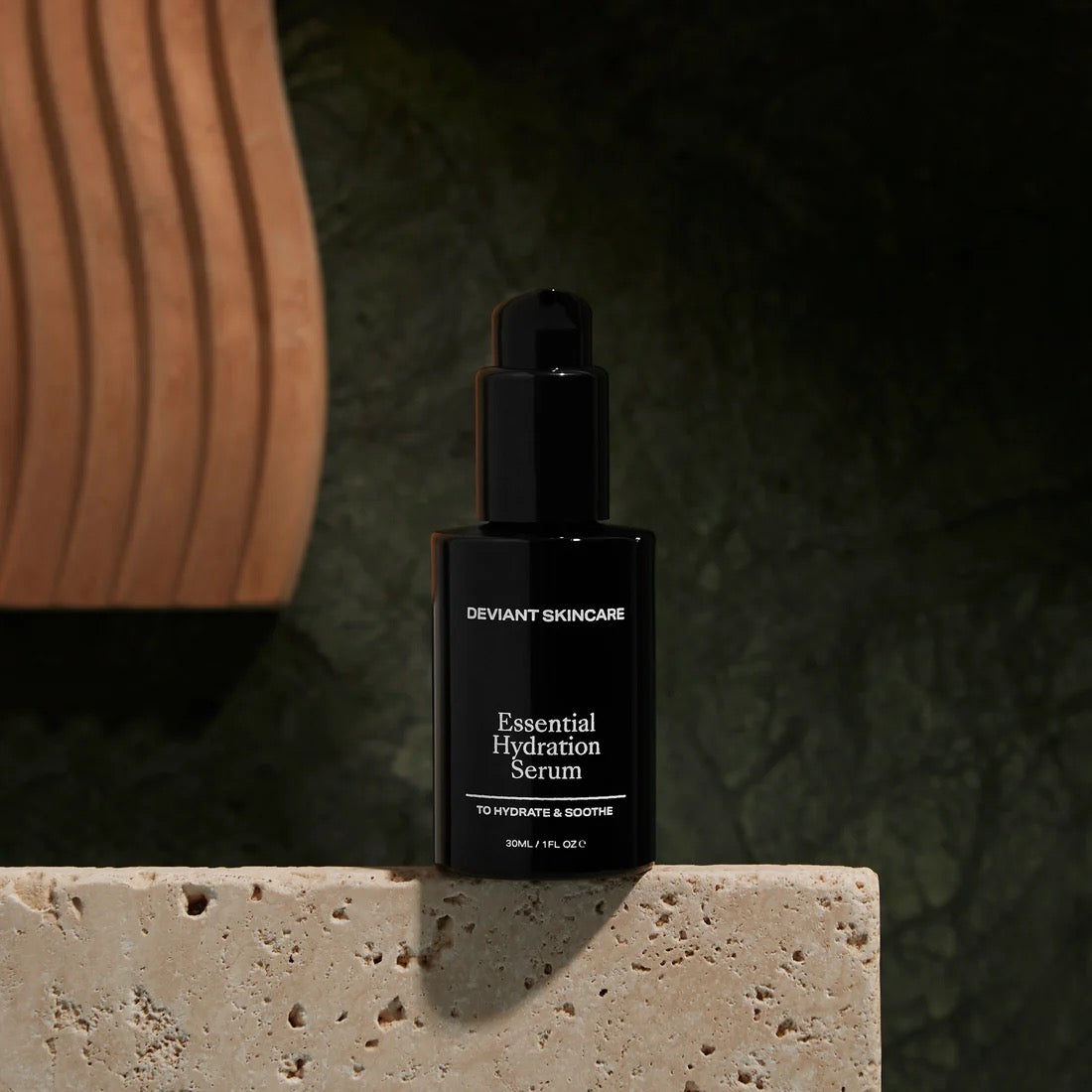
Hydrating ingredients to attract and retain moisture
-
Daily sun protection to prevent further damage
-
Supporting the environment with added humidity indoors
Consistency is key.
Professional Treatments for Dry and Dehydrated Skin
When home care isn’t enough, professional skin treatments can provide an extra boost. In-clinic treatments allow for deeper hydration, improved circulation, and enhanced penetration of active ingredients, while supporting the skin barrier rather than compromising it.
Final Thoughts
Dry and dehydrated skin are signs of a weakened skin barrier, not just a lack of moisture. With gentle care, barrier support, and consistency, skin can become stronger, more comfortable, and visibly healthier at any age.
If you're looking to support your skin with advanced facial technology, explore my Microcurrent Facial Treatments at Julia Hart Electric Facialist, designed to strengthen skin function and encourage natural regeneration.