
Galvanic Current vs Microcurrent: What’s the Difference?
By Julia Hart The Electric Facialist
Galvanic current and microcurrent are both used in skincare devices, but they describe different things. Galvanic refers to a type of direct current; microcurrent describes a very low current level, measured in microamps. So they aren’t always opposites: the technology, waveform and purpose depend on the device.
What does galvanic current do?
Galvanic treatments use direct current and polarity. In skincare, this is often associated with iontophoresis: using an electrical current to assist the movement of certain charged ingredients through the skin. The result depends on the ingredient, its formulation and the device protocol.
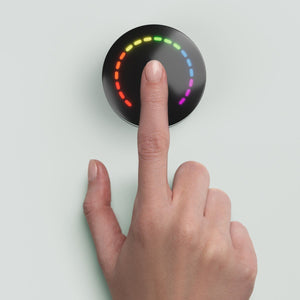
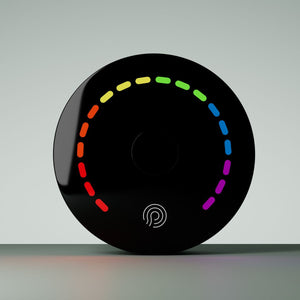
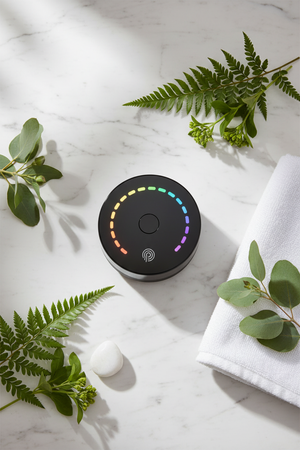
The Nu Skin ageLOC Galvanic Spa is a home-use example. Its facial routine uses a two-step system of specially formulated gels and different current polarities. It is designed to be used with compatible Nu Skin products, following the manufacturer’s directions.
Explore the Nu Skin ageLOC Galvanic Spa

What is microcurrent?
Microcurrent describes a very low level of electrical current. Professional microcurrent machines can use different waveforms and treatment programmes, so the word alone doesn’t tell you exactly how a particular device works.
In my clinic, I use professional microcurrent systems including TAMA, Neurotris, Acuscope and Pinnacle. Each has its own approach and protocols. I select the treatment according to the client and the area being treated; professional microcurrent is not one single, identical technology.
Where does the Environ DF Machine fit?
The Environ Ionzyme DF Machine combines pulsed iontophoresis with low-frequency sonophoresis, which uses sound waves. It is an electro-sonic treatment designed to work with Environ products. That makes it a useful example of how skincare devices can combine technologies: iontophoresis involves electrical current, while sonophoresis uses sound.
Explore Environ’s technology for home use with the Electro-Sonic DF Mobile, combining pulsed iontophoresis and low-frequency sonophoresis.
The simplest way to remember the difference
Galvanic describes the current’s direction and polarity; microcurrent describes its very low strength. They can overlap, and devices using either term may have different settings and purposes. It’s more useful to look at what the specific device is designed to do, which products it is intended to work with, and the protocol being used.
Research supports iontophoresis as a method for assisting the delivery of certain ingredients, but that does not mean every ingredient will be delivered in the same way. Research on facial electrical devices is still developing, and results from one device should not be assumed to apply to all the others.