
Why Do We Wake Up Puffy?
By Julia Hart, The Electric Facialist
The Lymphatic System, Fascia and Facial Flow
You wake up, look in the mirror, and your eyes seem a little heavier, your face a little fuller. Sound familiar?
While you sleep, your body stays relatively still for hours. Unlike your cardiovascular system, your lymphatic system does not have one central pump like the heart to keep fluid moving.
Instead, lymphatic flow is supported by movement, muscle activity, changes in pressure and breathing. This is one reason fluid can appear more noticeable around the face, jawline and delicate eye area first thing in the morning.
Usually, this gentle morning puffiness begins to settle once we get upright, start moving and take a few deeper breaths. But when flow feels sluggish, the face can remain heavy, dull or less defined for longer.
The answer is not always to attack the puffiness directly. Sometimes, we need to look lower down—to the neck, collarbones and the pathways through which fluid must travel.
What Does the Lymphatic System Actually Do?
The lymphatic system is an intricate network of vessels, tissues and lymph nodes. It helps collect excess fluid and waste from the spaces around our cells and eventually returns it to the bloodstream. It also plays an important role in immune surveillance and maintaining healthy fluid balance.
Lymphatic vessels have their own gentle contractile activity, assisted by one-way valves, but movement around them matters too. Muscle contraction, the pulsing of nearby arteries and the changing pressure created by breathing all help lymph travel through the body.
This is why walking, stretching and diaphragmatic breathing can make us feel less stagnant—and why sitting or lying still for long periods can make puffiness more noticeable.
Why Does Puffiness Collect Around the Eyes?
The tissue around the eyes is exceptionally delicate. The skin is thin, the underlying tissue is soft and even a small change in fluid distribution can be visible.
Morning puffiness may be influenced by:
- Sleeping completely flat
- Very little movement overnight
- A salty meal or alcohol the evening before
- Seasonal allergies or sinus congestion
- Hormonal changes
- Dehydration
- Poor-quality or insufficient sleep
- Sleeping face-down or pressing one side of the face into the pillow
This does not automatically mean you have a damaged or “blocked” lymphatic system. In most cases, mild morning puffiness is temporary fluid retention rather than true lymphoedema.
The Face Cannot Drain Without the Neck
When I work on the face, I rarely begin with the face itself.
Much of the superficial lymph from the face travels towards lymph nodes around the ears, beneath the jaw and through the cervical lymphatic chains of the neck. From there, it continues towards the base of the neck, where lymph eventually rejoins the bloodstream near the subclavian veins.
Think of it like clearing the lower end of a river before encouraging more water downstream. If we immediately massage a puffy eye area without first preparing the neck and collarbone region, we may be trying to move fluid towards a pathway that has not yet been supported.
This is what practitioners often mean when they talk about “opening” the cervical lymphatics. We are not literally opening a blocked vessel. We are using very gentle touch, movement and breathing to prepare the natural drainage route before working more distally over the face.
It is one of the reasons I always say:
Clear the pathway before you chase the puffiness.
What Does Fascia Have to Do With Lymph?
Fascia is the body’s continuous web of connective tissue. It surrounds and links the muscles, nerves, blood vessels, lymphatic vessels and organs.
The smallest lymphatic vessels sit within this tissue environment. Fine anchoring filaments connect lymphatic capillaries to the surrounding extracellular matrix. As tissue pressure changes, these connections help the walls of the lymphatic capillaries respond so that interstitial fluid can enter.
In other words, lymph does not operate separately from the tissues around it.
Breathing, muscle contraction, posture and gentle tissue movement all change pressure within the fascial environment. This may help explain why slow, rhythmic techniques can make congested or puffy tissues feel softer and more mobile.
However, I am careful with phrases such as “breaking up fascia” or “releasing toxins”. Fascia does not need to be aggressively forced, and lymphatic work should never be painful. The superficial lymphatic vessels lie close to the surface, so a lighter touch is often far more appropriate than deep, forceful massage.

The BIG 6® Method
The BIG 6® is a self-care sequence developed by Dr Perry Nickelston of Stop Chasing Pain. It focuses on six key areas associated with fluid movement:
- Above and below the collarbones
- The sides of the upper neck
- The pectoral and armpit region
- The abdomen
- The groin crease
- Behind the knees
For facial puffiness, the first three areas are especially relevant—but the sequence is intended as a whole-body approach.
The principle is simple: begin closer to the places where lymph returns to the circulation, then work progressively farther away. This is why the collarbone region comes before the face, limbs or other areas that feel puffy.
The BIG 6® is a wellness technique rather than a treatment for lymphoedema or an underlying medical condition. Movements should be light, comfortable and never performed over painful, inflamed or enlarged lymph nodes.
A Simple Morning Facial-Flow Ritual
For ordinary morning puffiness, try this gentle sequence:
1. Begin with your breath
Sit upright and take five slow diaphragmatic breaths. Allow your lower ribs and abdomen to expand rather than lifting only through the upper chest.
2. Wake up the collarbone area
Using clean fingertips, apply very light rhythmic tapping pressure immediately above and below the collarbones. Avoid digging into the tissue.
3. Soften the sides of the neck
With feather-light strokes, travel down the sides of the neck towards the collarbones. Avoid pressing directly over the throat or carotid arteries.
4. Move from the centre of the face outwards
Glide gently from the chin towards the ears, from the corners of the mouth towards the ears and from the sides of the nose towards the temples.
5. Treat the eye area delicately
Use your ring fingers to trace around the orbital bone. Do not drag the eyelids or press firmly into the soft tissue beneath the eyes.
6. Finish down the neck
Complete every outward facial movement by travelling gently down the sides of the neck towards the collarbones.
Then get moving. A short walk, jumping up and down, a few shoulder rolls or gentle stretching can be more useful than endlessly massaging the face.
Can Microcurrent Help a Puffy Face?
Microcurrent and lymphatic-style movements can work beautifully together, although they are not the same thing.
Microcurrent uses very low-level electrical current to interact with the skin and underlying tissues. Depending on the device, waveform and technique, it may be used to support facial stimulation, tone and a more lifted, energised appearance.
When I use professional microcurrent, I often begin by preparing the neck and drainage pathways before moving into more structured lifting work. This can make an immediate visual difference to a face that looks tired or congested.
The direction of movement matters. Aggressively lifting a puffy face without first considering the neck can sometimes make it look more congested. Drainage first, then stimulation and lift, is usually my preferred order.
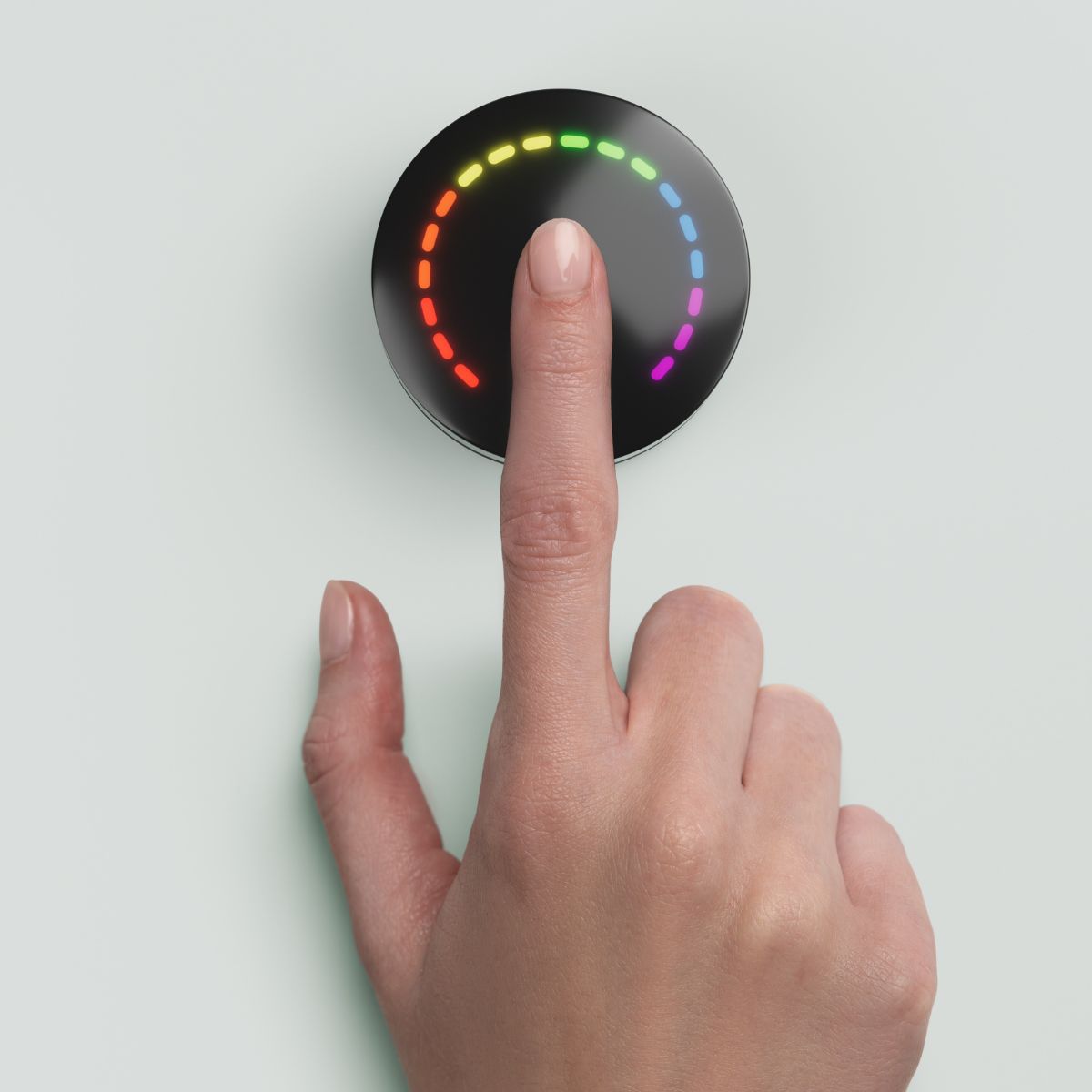
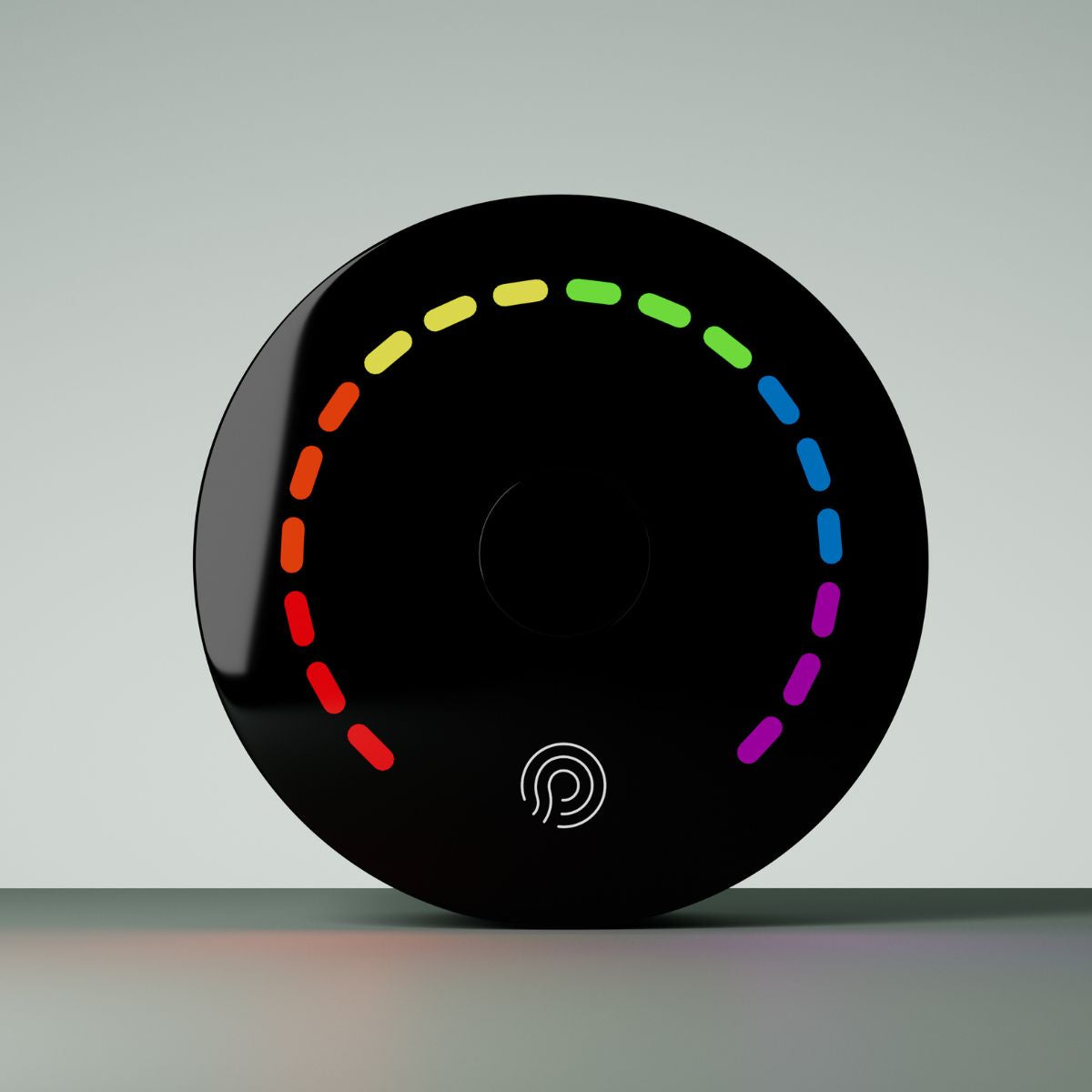
For home use, the ageLOC Boost Microcurrent Device provides a quick two-minute variable-pulsed microcurrent treatment designed to support brighter, plumper and more energised-looking skin.
Boost is primarily a skin-conditioning and radiance device rather than a medical lymphatic drainage treatment. However, its smooth gliding action can fit beautifully into a thoughtful morning routine once you have prepared the collarbone and neck area manually.
Why I Love LumiSpa iO for Morning Congestion
The ageLOC LumiSpa iO is best known as an intelligent cleansing device, but I also love the way its patented 15 Hz Micropulse Oscillation gently flexes and massages the skin while cleansing.
This rhythmic movement (jiggling!) can be wonderfully refreshing when the complexion feels sluggish in the morning. Used with the correct activating cleanser and without excessive pressure, it helps remove overnight oil and impurities while leaving the skin looking fresher, smoother and more awake.
I do not describe LumiSpa as a lymphatic drainage device. Its primary job is intelligent cleansing and skin renewal. However, the combination of cleansing, gentle mechanical movement and a consistent two-minute ritual can be a useful part of a morning de-puffing routine. It is, however in my personal experience of using it, rather remarkable at opening up lymph and releasing Fascia.
Use it over the face as directed, then complete the ritual with light fingertip movements down the sides of the neck.
My Lymphatic Hero: WellSpa iO
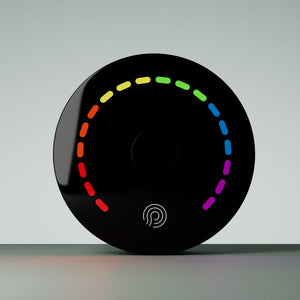
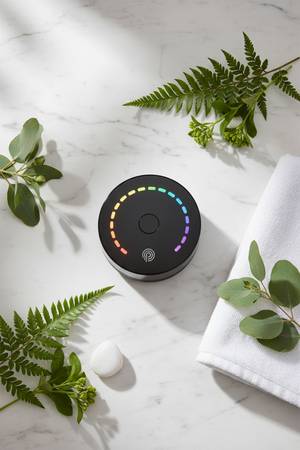
For whole-body fluid movement, the ageLOC WellSpa iO is the device I find particularly exciting.
WellSpa iO combines adaptive microcurrent with four sculpted metallic nodes, creating a rhythmic rolling and gliding treatment over the body. Its bioadaptive technology responds to the skin during use, while the physical movement of the nodes provides a beautifully stimulating massage.
I find it especially useful over areas that can feel heavy, stagnant or puffy, including the arms, abdomen and legs. This makes it a wonderful partner for a lymphatic-style body routine as well as for supporting smoother, firmer and more energised-looking skin.
It is important to be precise here: WellSpa iO is a beauty and wellness device, not a medical treatment for lymphoedema. But as a consistent self-care tool combining massage, movement and adaptive microcurrent, it is exceptional.
For me, it is one of those devices that makes you want to complete the routine because it feels good. And consistency is where the magic happens.
Use WellSpa iO only on the recommended body areas, with the appropriate activating product, and follow the guided routines within the Nu Skin Vera app.

Julia’s Morning De-Puffing Formula
My ideal morning sequence would be:
- Begin with several slow diaphragmatic breaths
- Gently prepare the collarbone, neck and shoulder areas
- Cleanse with LumiSpa iO
- Use light outward and downward facial movements
- Follow with ageLOC Boost for radiance and skin stimulation
- Use WellSpa iO over the recommended body areas
- Finish with water and a short walk
This does not need to become an elaborate hour-long ritual. Five or ten intentional minutes can be far more effective than repeatedly attacking the eye area with ice, rollers and aggressive massage.
Puffiness Is Not Always a Lymphatic Problem
A mildly puffy face that settles within a few hours is usually not concerning. But persistent, sudden, painful or one-sided facial swelling should not be self-treated as “stuck lymph”.
Seek medical advice if swelling:
- Appears suddenly or continues to worsen
- Is painful, hot, red or tender
- Affects only one side of the face
- Is accompanied by fever or signs of infection
- Begins after a new medicine, food or possible allergen
- Involves the lips, tongue or throat
- Causes difficulty breathing or swallowing
- Persists rather than easing during the day
Difficulty breathing or swelling of the tongue or throat requires urgent medical care.
You should also seek professional guidance before lymphatic massage or microcurrent if you have a diagnosed lymphatic condition, active cancer, an acute infection, significant cardiovascular disease, unexplained swelling, a pacemaker or another implanted electronic device.
The Takeaway
Morning puffiness is not simply a skin problem.
It is influenced by fluid balance, movement, sleep, breathing, posture, fascia and the pathways running from the face through the neck and back towards the circulation.
The face does not exist in isolation. If we want to encourage a fresher, clearer and more sculpted appearance, we need to think beyond the eye bags and support the whole pathway.
Start with the breath.
Prepare the neck.
Clear before you lift.
And remember that gentle, consistent movement usually achieves far more than force.
We are electrical beings—but we are fluid beings too.