
Lutein and Marigolds: The Glow-Focused Carotenoid for Skin, Eyes and Beauty Focus Collagen+
By Julia Hart, The Electric Facialist
Marigold power for skin from within
Some ingredients just feel like they belong in a beauty ritual.
For me, Lutein is one of them.
It is a Golden-Yellow Carotenoid antioxidant found in dark green leafy vegetables, yellow and orange foods, egg yolk, avocado — and most beautifully, in Marigold flowers.
Lutein is best known for its role in eye health, but I also love it for its connection to skin glow, antioxidant protection and cellular resilience. It sits perfectly within the “skin from within” conversation because it reminds us that healthy skin is not just topical. It is nutritional, cellular and measurable.
This is why Lutein is one of my favourite glow-focused antioxidants — and why I love that it is included in Beauty Focus Collagen+, alongside Collagen peptides and wheat lipid extract containing ceramides for skin barrier repair and strength.
What is Lutein?
Lutein is a natural Carotenoid — one of the colourful plant pigments responsible for Yellow, Orange and red tones in nature.
More specifically, lutein belongs to the Xanthophyll family of carotenoids, alongside Zeaxanthin. These are oxygen-containing Carotenoids and are classed as non-provitamin A carotenoids, meaning they are not converted into vitamin A in the body.
Instead, Lutein has its own fascinating role.
It acts as an antioxidant, helps protect tissues from oxidative stress, and is one of the key carotenoids found in the eye — especially in the macula, the part of the retina responsible for detailed central vision. The Linus Pauling Institute notes that Lutein and Zeaxanthin are present in high concentrations in the macula, where they are efficient absorbers of Blue light.
That is why Lutein is often spoken about as an “eye health” nutrient.
But I think its beauty story is just as interesting.
Lutein, oxidative stress and cellular protection
Oxidative stress is one of the major reasons we age — inside and out.
It happens when the body produces more free radicals than it can neutralise. In the skin, oxidative stress is linked with dullness, inflammation, collagen breakdown, pigmentation issues, barrier stress and visible ageing.
Lutein is interesting because it forms part of the body’s antioxidant network. As a Carotenoid, it helps protect lipid-rich tissues from oxidative damage. This matters because your skin, eyes and cell membranes are all deeply connected to lipid health and antioxidant defence.
A review on Lutein describes it as a powerful antioxidant with favourable effects on eye health, while also discussing its potential benefits beyond the eye.
This is where Lutein becomes more than just “a vitamin for the eyes.”
It becomes part of a much wider conversation:
light protection, antioxidant defence, cellular resilience and glow from within.
Why Lutein is so important for eye health
Lutein and Zeaxanthin are often called the macular Carotenoids.
They are the only Carotenoids found in high concentration in the human macula, where they form what is known as macular pigment. This pigment helps absorb blue light and supports visual function.
The Linus Pauling Institute notes that increasing dietary Lutein and Zeaxanthin can raise serum concentration and macular pigment density. It also highlights evidence suggesting that consuming around 6 mg per day of Lutein and Zeaxanthin from fruits and vegetables, compared with less than 2 mg per day, may decrease the risk of advanced age-related macular degeneration.
This is such a powerful point for modern life.
We are all exposed to more screens, artificial light, stress and environmental load than ever before. Lutein’s role in light-filtering and antioxidant support makes it one of the most relevant nutrients to talk about for the eyes.
And because the eyes and skin are both light-exposed tissues, Lutein also sits beautifully in the beauty-tech conversation.
Lutein and skin glow
Lutein is not just about vision.
It is also part of the skin’s antioxidant story.
Skin is one of the body’s most exposed organs. It faces UV light, pollution, environmental toxins, poor sleep, stress, inflammation and nutrition gaps every day. Antioxidants like lutein help support the body’s defence system against oxidative stress — one of the key drivers of visible ageing.
In Beauty Focus Collagen+, Lutein is paired with bioactive collagen peptides and wheat lipid extract containing ceramides. Nu Skin’s clinical research describes Beauty Focus Collagen+ as a proprietary blend of collagen peptides, Lutein and wheat lipid extract containing ceramides. In the study design, the Collagen+ group received 2.5 g collagen peptides, 5 mg lutein and 70 mg wheat lipid extract.
That combination is important.
Because skin glow is not just one pathway.
It is:
- collagen support
- antioxidant protection
- barrier lipid support
- hydration
- cellular resilience
- nutritional consistency
This is exactly why Beauty Focus Collagen+ feels so well matched to my skin-from-within philosophy. Read more about this amazing formula in my article The Truth about Collagen and the role of your Skin Barrier
Beauty Focus Collagen+ and Lutein
Beauty Focus Collagen+ is not just a collagen supplement.
It combines:
- Verisol Bioactive collagen peptides
- Lutein
- Wheat lipid extract containing ceramides
In a double-blind, randomised, controlled clinical study, Beauty Focus Collagen+ was tested in 60 healthy, non-smoking men and women aged 40–60. The clinical bulletin reported that after four months, dermatologist grading showed improvements over baseline of 18% in overall appearance, 24% in texture and 33% in radiance.
The same bulletin also reported that the average skin carotenoid score in the Beauty Focus Collagen+ group increased from 28,900 at baseline to 39,650 after 120 days — an average increase of 10,750.
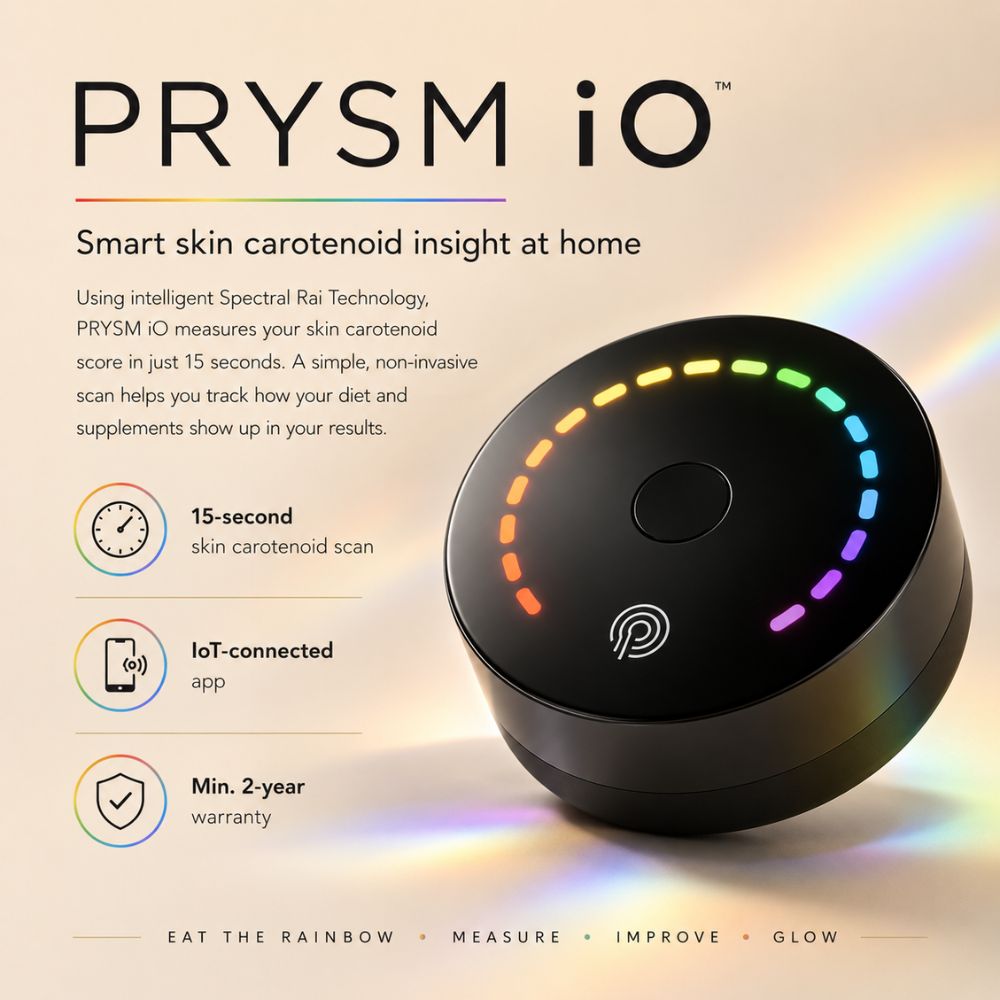
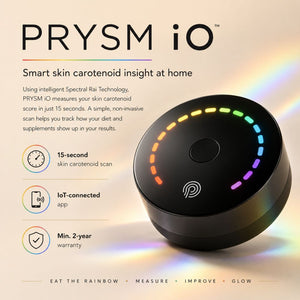
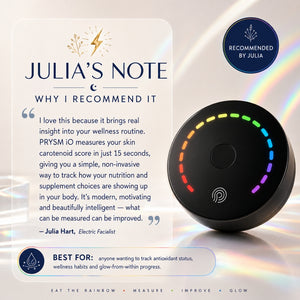
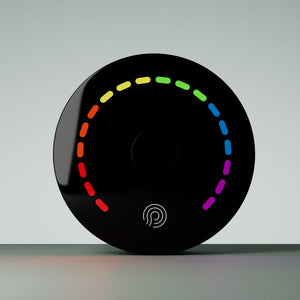
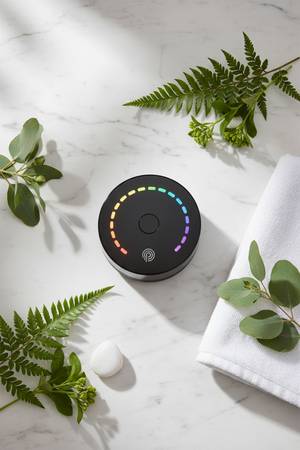
This is why I love the connection between PRYSM iO and Beauty Focus Collagen+.
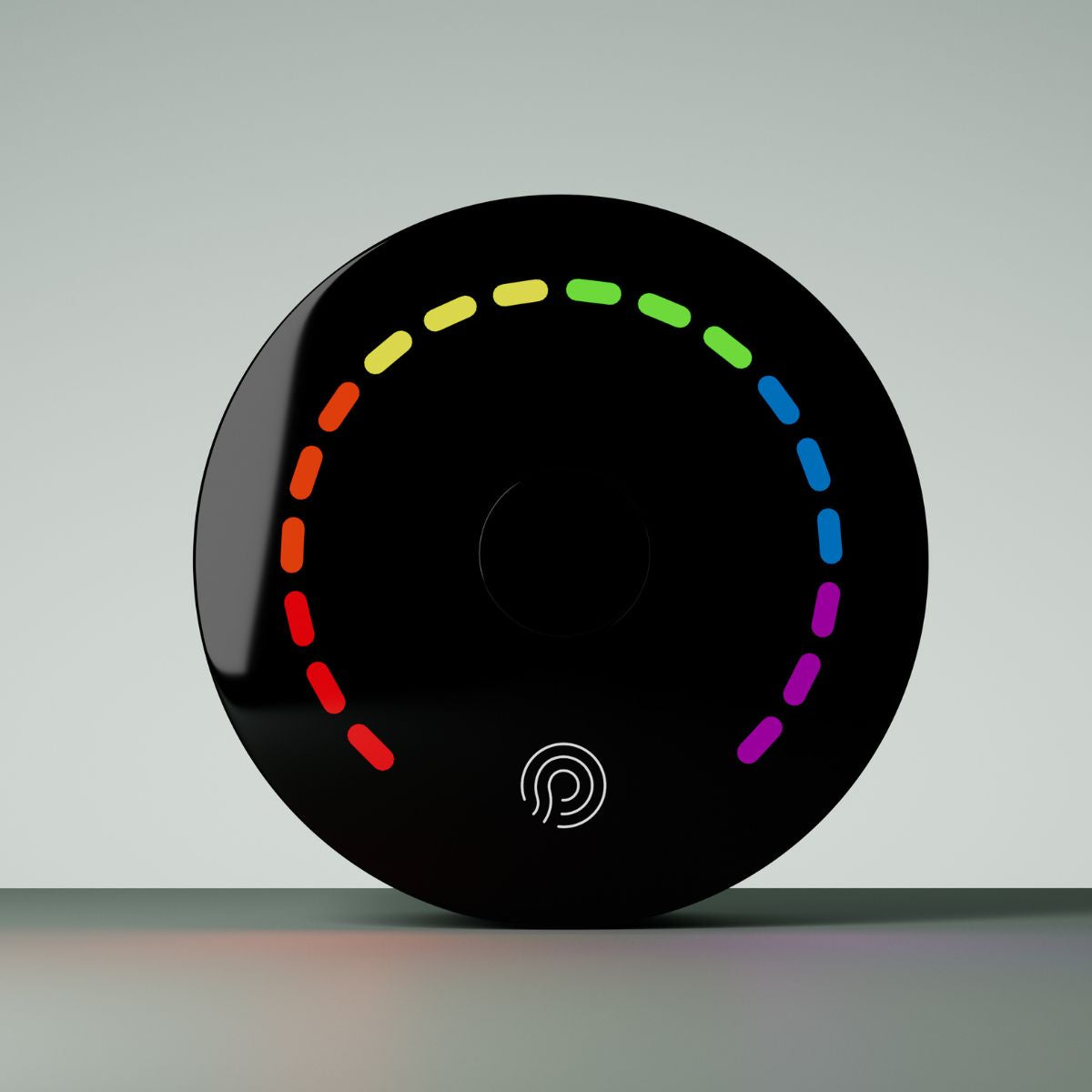
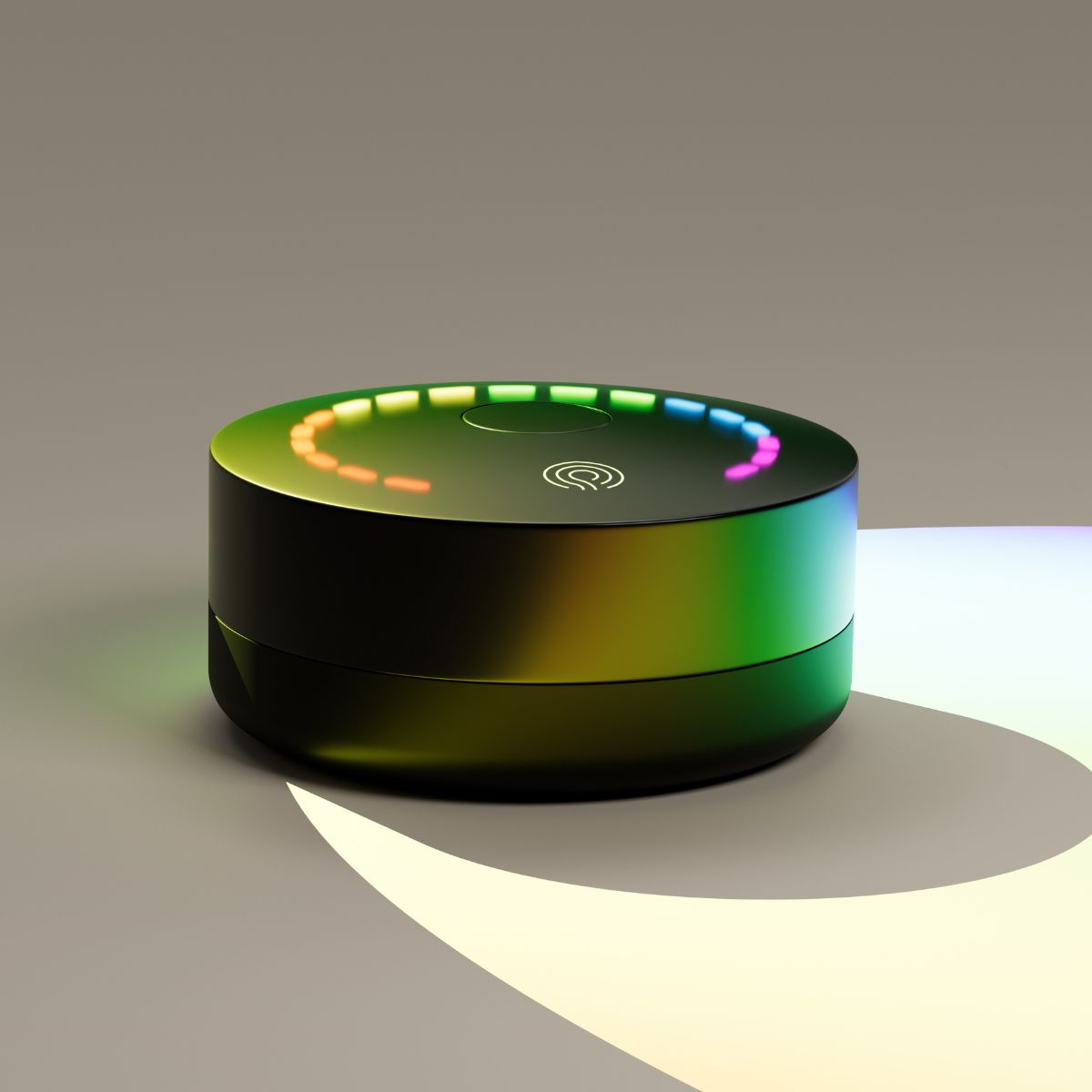
PRYSM iO is about measuring skin Carotenoids. Beauty Focus Collagen+ contains Lutein — a Carotenoid antioxidant.
Together, they make the “measure, nourish, glow” idea feel very real.
Why Marigolds are so powerful for Lutein
When we think about Lutein, we often think about leafy greens. But commercially, one of the most important sources of lutein is Marigold.
The main commercial source of Lutein used in dietary supplements comes from Marigold flowers, especially Tagetes erecta, which are naturally rich in Carotenoids.
This is one of my favourite visual stories.
That deep Yellow-Orange Marigold colour is not random. It is pigment. It is plant protection. It is antioxidant intelligence.
The flower creates colour to protect itself from light and oxidative stress.
When that Lutein is extracted and used in nutritional support, it becomes part of our own antioxidant conversation.
This is why I love the phrase:
Marigold power. Cellular glow.
It says everything.
What about Calendula tea?
This is a great question, because Calendula and Marigold are often used interchangeably in everyday language — but they are not always the same thing.
Many Lutein supplements use Tagetes erecta, often called African Marigold or Aztec Marigold, as the commercial Lutein source. Calendula tea is usually made from Calendula officinalis, also called Pot Marigold.
Calendula does contain bioactive plant compounds, including Carotenoids. Research has reported that Calendula officinalis contains Carotenoids and that Orange varieties can contain notable Lutein levels.
However, I would not position Calendula tea as a major Lutein supplement.
Why?
Because lutein is fat-soluble, which means it absorbs best when eaten with fat. A water-based tea infusion may be lovely as a calming herbal ritual, but it is unlikely to deliver Lutein in the same targeted, measurable way as a properly formulated Lutein supplement or a meal containing Lutein-rich foods with healthy fats.
So Calendula tea can absolutely belong in the “beauty ritual” conversation — gentle, golden, calming, plant-based — but for Lutein intake, I would focus more on leafy greens, egg yolk, avocado, yellow/orange foods and marigold-derived lutein supplements.
Best food sources of Lutein
Lutein is found in a variety of foods, but some are much richer than others.
The best dietary sources include:
Dark green leafy vegetables
These are the Lutein heroes.
- Spinach
- Kale
- Collard greens
- Turnip greens
- Mustard greens
- Dandelion greens
- Rocket
- Parsley
- Chard
The Linus Pauling Institute lists cooked frozen spinach as containing 29.8 mg of Lutein + Zeaxanthin per cup, turnip greens 19.5 mg, collards 18.5 mg and cooked mustard greens 14.6 mg.
This is why dark Green leafy vegetables are so important for eye and skin health.
They may look Green, but underneath the chlorophyll is a powerful Yellow-Gold pigment story.

Yellow and Orange foods
These include:
- Pumpkin
- Winter squash
- Yellow corn
- Yellow peppers
- Orange peppers
- Cantaloupe
- Apricots
Pumpkin and winter squash are especially beautiful for the Carotenoid-rich “eat the rainbow” theme.
Egg yolk
Egg yolk contains Lutein and Zeaxanthin in smaller amounts, but it is considered highly bioavailable because it comes naturally packaged with fat. The Linus Pauling Institute notes that egg yolks and avocados are relatively low in Lutein compared with greens, but are highly bioavailable sources.
Avocado
Avocado is not the highest lutein food, but again, it is useful because it contains fat and supports absorption when paired with colourful vegetables.
Marigold-derived Lutein
This is where supplements come in.
Marigold-derived Lutein can provide a more concentrated and consistent dose than food alone, especially when used in a properly formulated supplement.
How to absorb Lutein better
Lutein is fat-soluble, so absorption is strongly influenced by how you eat it.
For better absorption, pair Lutein-rich foods with healthy fats such as:
- Extra virgin olive oil
- Avocado
- Egg yolk
- Nuts and seeds
- Oily fish
- Full-fat yoghurt, if tolerated
The Linus Pauling Institute notes that Carotenoids are best absorbed when taken with a meal containing fat.
A study on Lutein ester bioavailability also found that plasma Lutein response was higher when Lutein esters were consumed with a higher-fat spread compared with a low-fat spread.
So the simple rule is:
Do not eat your greens dry.
Add olive oil, avocado, eggs or another healthy fat.
That is not just tastier — it is smarter nutrition.
Lutein, PRYSM iO and measurable wellness
This is where the story becomes exciting.
PRYSM iO measures skin Carotenoid status — giving us a way to track how colourful nutrition and antioxidant habits may be showing up in the body.
Lutein is one of the Carotenoids that connects beautifully to this idea.
You can eat Lutein-rich foods.
You can support your intake with Marigold-derived Lutein.
You can combine it with collagen peptides and skin barrier lipids.
Then you can measure your skin Carotenoid status over time.
That is the future of beauty wellness:
measure, nourish, glow.
This is why I see PRYSM iO and Beauty Focus Collagen+ as such a strong pairing.
One helps you understand your antioxidant status.
The other helps support your skin from within.
Why I love Lutein as an Electric Facialist
As an Electric Facialist, I am always thinking about skin in terms of energy, light, repair and resilience.
Lutein sits beautifully in that world.
It is connected to light.
It is connected to colour.
It is connected to the eyes.
It is connected to antioxidant protection.
It is connected to skin radiance.
It is not a trendy ingredient. It is a deeply intelligent plant pigment that has been studied for decades — and it has a very real place in the future of skin-from-within nutrition.
For me, Lutein is the bridge between:
- eye health
- skin glow
- antioxidant defence
- marigold nutrition
- measurable wellness
- Beauty Focus Collagen+
That is why it deserves its own article.
Food-first Lutein ritual
Here is a simple way to build more Lutein into your week:
Morning
Eggs with spinach, avocado and herbs.
Lunch
A big salad with kale, rocket, olive oil, pumpkin seeds and Yellow peppers.
Dinner
Pumpkin or squash with olive oil, herbs and a protein source.
Weekly glow ritual
Add Beauty Focus Collagen+ if it fits your routine and you want targeted support from collagen peptides, Lutein and skin barrier lipids.
Optional calming ritual
Calendula tea for a golden botanical moment — beautiful as a ritual, but not your main Lutein strategy. A Golden bonus!

Key takeaways
Lutein is a Carotenoid antioxidant.
It belongs to the Xanthophyll family, alongside Zeaxanthin.
It is not converted into vitamin A, but has its own biological role.
Lutein and Zeaxanthin are concentrated in the macula of the eye and help absorb blue light.
Lutein supports antioxidant protection and cellular resilience.
Dark green leafy vegetables are some of the richest food sources.
Egg yolk and avocado contain less lutein but are highly bioavailable.
Lutein is fat-soluble and is best absorbed with dietary fat.
Marigold flowers, especially Tagetes erecta, are a major commercial source of lutein for supplements.
Calendula tea may be a beautiful botanical ritual, but it should not be relied on as a major Lutein source.
Beauty Focus Collagen+ contains Lutein alongside collagen peptides and wheat lipid extract containing ceramides.
PRYSM iO gives us a way to connect lutein, carotenoids and measurable skin-from-within wellness.